Do Microblading Courses In Australia Have Written Assessments?
Do microblading courses in Australia have written assessments? The short answer is yes – and a very good reason for that too. I’m Uliana Kasperska, a Brisbane-based cosmetic tattooist with over 15 years of experience in the cosmetic tattooing industry – and I’ve got a thing or two to say about written assessments in training programs. It’s not to make your life more complicated – it’s actually the opposite. They’re there because I know from my own experience that if you grasp the theory first, then you’ll be a lot more confident (and safe) when working on a real clients brows.
When people first sign up for a microblading course, they’re often surprised to find out just how much is involved – all that fancy stuff you see on social media isn’t just a stroke of genius; there’s science and knowledge behind it. Just like with any advanced treatment, you need to be solid on skin analysis and similar things. Any good training course will make sure you’ve got a good grasp of skin anatomy, infection control standards & how to properly consult with a client before you even think about moving on.
Contents
Making Theory Assessments Work for You
Theory tests often get a bad rap, especially if you haven’t studied in a while. But in a reputable training hub, they’re a valuable tool that can really help new microblading artists. They force you to slow down, take in a lot of information, and check your understanding before moving on.
When you walk into a microblading training course, you’re not just learning how to draw those perfect hair strokes – you’re taking in a whole lot more – skin anatomy, cosmetic tattoo techniques, colour correction principles, microblading techniques, and how all these things play out on different face shapes, affecting your brow mapping. These written assessments are just what you need – a way to make sure you’ve got all this knowledge stuck with you long enough to use it with confidence in the practical sessions.
What You’re Usually Tested On
These aren’t trick questions designed to catch you out – they’re there to make sure you’ve got the basics right, for safety, for technique, and for a good outcome for your clients. Most Australian programs use short, easy questions, case scenarios, and simple colour theory exercises – nothing too taxing.
Here are some things that usually come up:
Skin Anatomy
You can’t draw natural-looking brows unless you understand how skin responds to pressure. I see a lot of work coming in that’s been ruined because the artist has put the strokes too deep – this is one of the things that proper theory will stop from happening.
Pigment Theory & Colour Choices
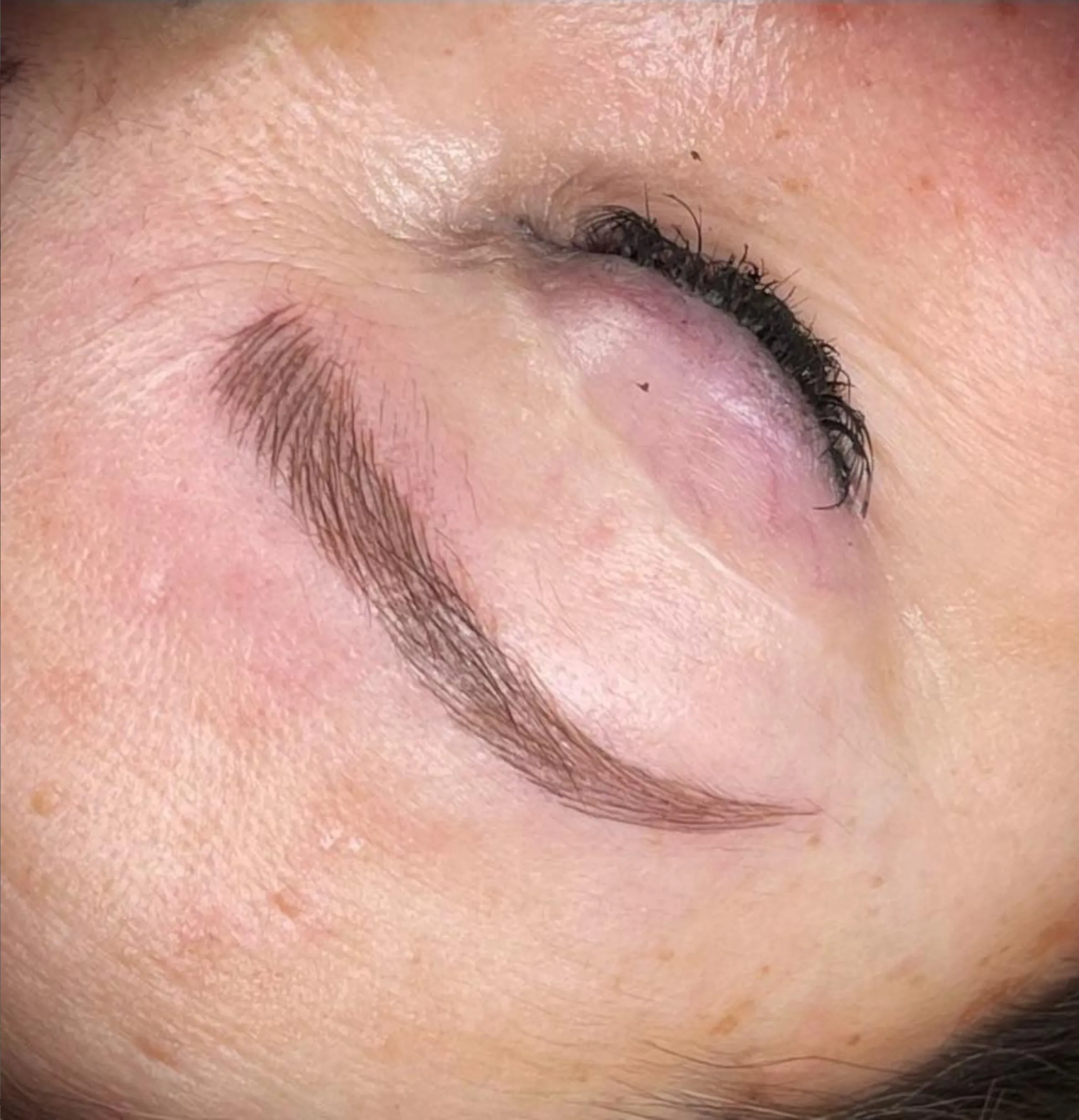
Even though this is a brow article, the same ideas are just as true for a lip tattoo course – pigment theory and understanding how skin depth affects pigment are key to good healing. So whether you’re doing beginner training or a Diploma in Cosmetic Tattooing, this is the kind of thing you need to get right.
Infection Control
Australia takes safety very seriously, and infection control is non-negotiable. Theory assessments make sure you’re on top of things like cross-contamination, sharps handling and the laws around skin penetration.
Client Consultation
This is where your artistic skills meet your responsibility as a clinician. Students might be asked about what clients need, what you can and can’t do, how you document and how to tailor a treatment plan for each client.
Mapping Fundamentals
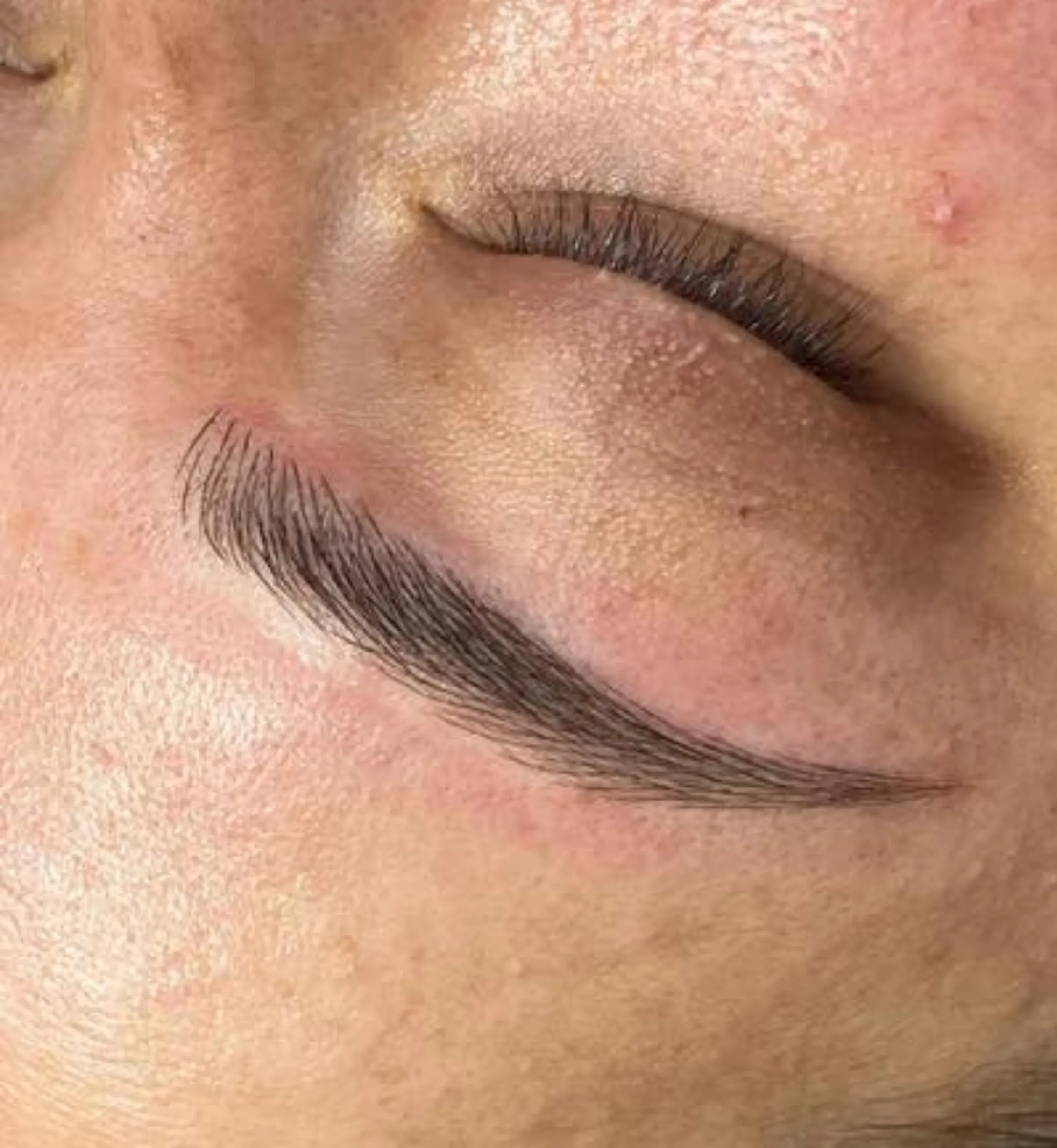
Understanding the structure of the face, how to keep things symmetrical, and what makes a good microblading choice is all part of the theory you need to get right. Without it, the best training and equipment in the world won’t save you from putting the strokes in the wrong place.
How Common Are Theory Exams In Australia?
From our research on training data from Australia’s cosmetic tattooing industry, around 85-90% of microblading programs now include a written assessment. As the expectations around training get tougher, especially around things like infection control, this number is likely to keep going up.
Courses covering more advanced brow techniques, like combination and nano methods, are likely to have more in-depth theory to get right because they require a good understanding of how pigments behave and how the techniques work.
A Quick Comparison: What You’ll See In Training
Here’s a simple breakdown of what written and practical components typically look like in cosmetic tattooing training:
| Course Type | Written Theory Component | Practical Hours | Who It Suits |
|---|---|---|---|
| Beginner Microblading | Yes — often 30–50 questions on anatomy + hygiene | 1–2 days + home models | New cosmetic tattooists |
| Advanced Brow Techniques | Yes — pigment + mapping heavy | 1–2 days + models | Artists expanding skills |
| Brow Masterclass | Minimal or optional | Mostly hands-on | Experienced microblading artists |
| Online Theory Modules | Fully theory-based | None until live models | Students studying flexibly |
| Infection Control Course | Written work only | None | Required for compliance |
Why Theory Training Makes You a Safer Artist
While out there in various forms of cosmetic art – microblading, in this case – it’s not just about creating a work of art, it’s also about injecting ink into skin, managing bleeding, and following strict infection control procedures. And the written exams make sure you fully understand the important bits:
- Why certain clients may be off-limits for treatment
- How different skin types affect a cosmetic tattoo
- The strict hygiene standards required inside your treatment room
- Why a client consultation is vital for both you and the client
- How age and skin behaviour change the treatment approach
You see, the importance of written theory is the same as an eyeliner tattoo course, where it’s all about understanding the layers of skin so you can get depth control spot on and ensure you’re doing everything safely.
The best tools in the world – the ones they use in microblading, for instance – aren’t going to help you out if your theory is weak.
Do All Students Pass?
Yeah, most students do manage to pass – and it’s not because the eyebrow tattoo course is a barrier to entry, it’s just that the trainers know that with a bit of feedback, more practice time or even a revision, students will grow into the role. It’s all about building confidence and professionalism to become a consistent and quality artist.
This is exactly why all the eyebrow tattoo courses – beginner or advanced – are worth their salt include written modules to make sure you can deliver safer, more predictable artistry.
Before You Choose Your Course
If you’ve been wondering whether there are written assessments involved in your microblading courses in Australia, now you have a clear answer: yes – and they’re actually really important. Whether you’re just starting or thinking of adding new skills – like learning to do lips or liner – well-structured written modules are what give you the edge to keep your clients happy with results that heal beautifully and last the test of time.
Want some guidance on comparing training pathways? Feel free to reach out to Cosmetic Tattoo Studio Brisbane Face Figurati – I’m always on hand to help point you in the right direction.
FAQ
Are written assessments difficult?
No, not at all. They’re meant to reinforce what you’ve learned, not trip you up.
Will I need written assessments for training accreditation?
Many courses follow CPD Standards, which usually involve theory work to get accredited and stay compliant.
Do online microblading programs have written modules?
Yes, most online formats rely on written theory training and training materials.
Is skin anatomy included in the written sections?
Absolutely – skin anatomy is the foundation of safe cosmetic tattooing.
Do written assessments include client consultation questions?
Yeah – because the first consultation is where you decide if the client is a good fit, what they want to achieve and whether the treatment is safe for them.