
Why did Kakadu become a National Park?
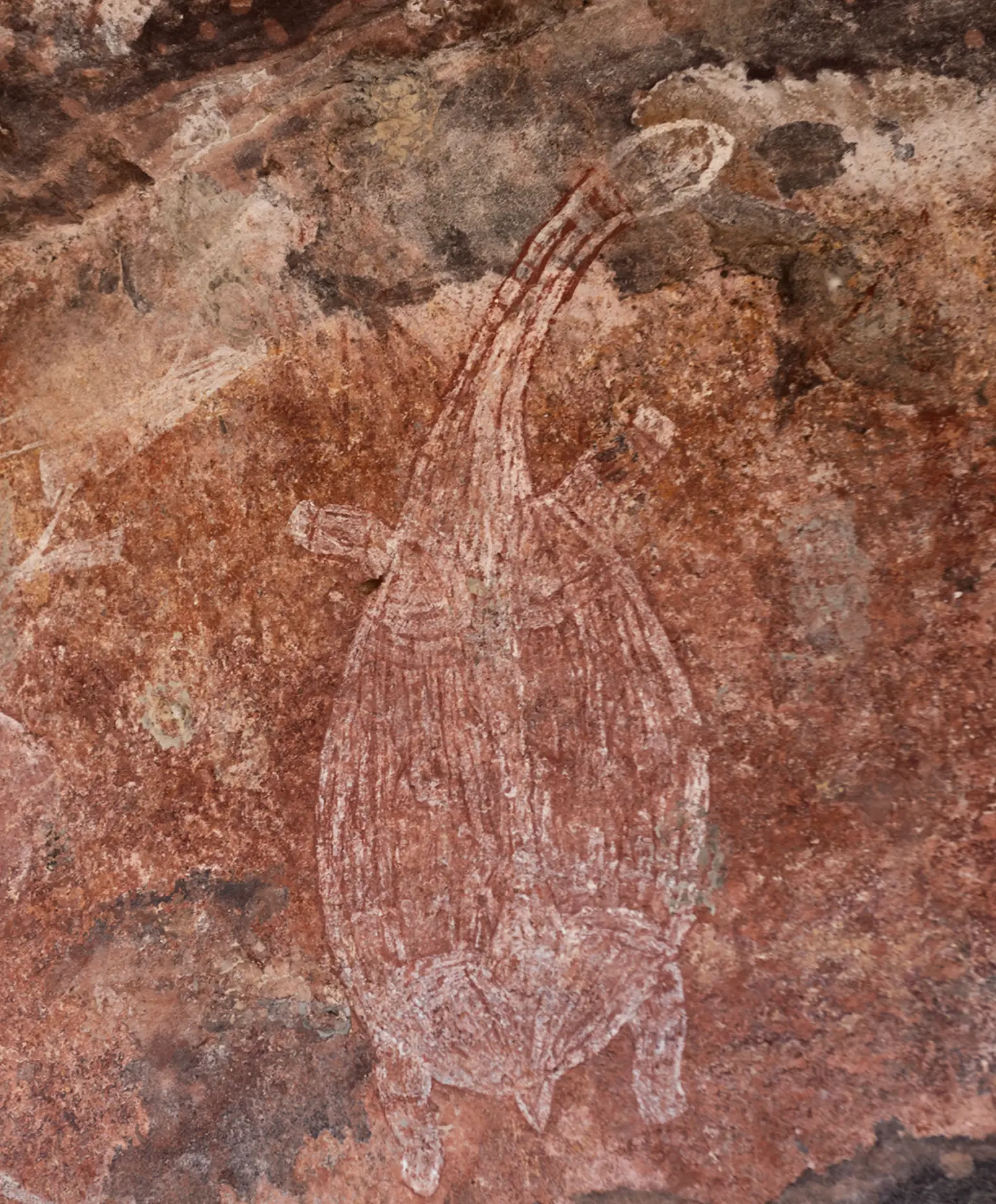
Kakadu National Park is more than just pretty – it’s a symbol of cultural resilience, environmental protection and national treasure. Located in Australia’s Northern Territory, this massive and ancient land has been home to Aboriginal people for over 65,000 years. So why did Kakadu become a national park? The answer lies in a powerful mix of cultural values, biodiversity and the need to protect it from modern threats like mining booms and industrial development.
Today, Kakadu is a World Heritage-listed site famous for its archaeological sites, intact landscape and the sacred connection between land and people. With its wildlife, wetlands, escarpments and over 5,000 Aboriginal rock art sites, it attracts thousands of visitors each year on everything from a quick Kakadu day tour to a full 3 day Kakadu tour from Darwin.
Contents
Born from Cultural and Environmental Significance
Kakadu’s journey to protection began long before it was declared a national park in 1979. For tens of thousands of years, Aboriginal people lived in settlements, thriving off the abundance of water, fresh food and fertile alluvial soils along rivers like the South Alligator, East Alligator, Adelaide River and Magela Creek.
In the 19th and 20th centuries, the arrival of British settlement, commercial hunting and the discovery of uranium threatened this ancient land. The construction of mining camps and dairy farms, especially near Coronation Hill, Mundogie Hill and the southern hills, sparked public outcry and eventually an inquiry into land use in the Alligator Rivers Region.
The inquiry revealed the region’s natural values, including bird species, frog species, reptile species, freshwater fish and endemic plants. But just as important were the cultural values – Aboriginal rock painting of Mimi spirits, ceremonial grounds and stories passed down through generations.
Kakadu Became a National Park
Preserving Ancient Aboriginal Culture
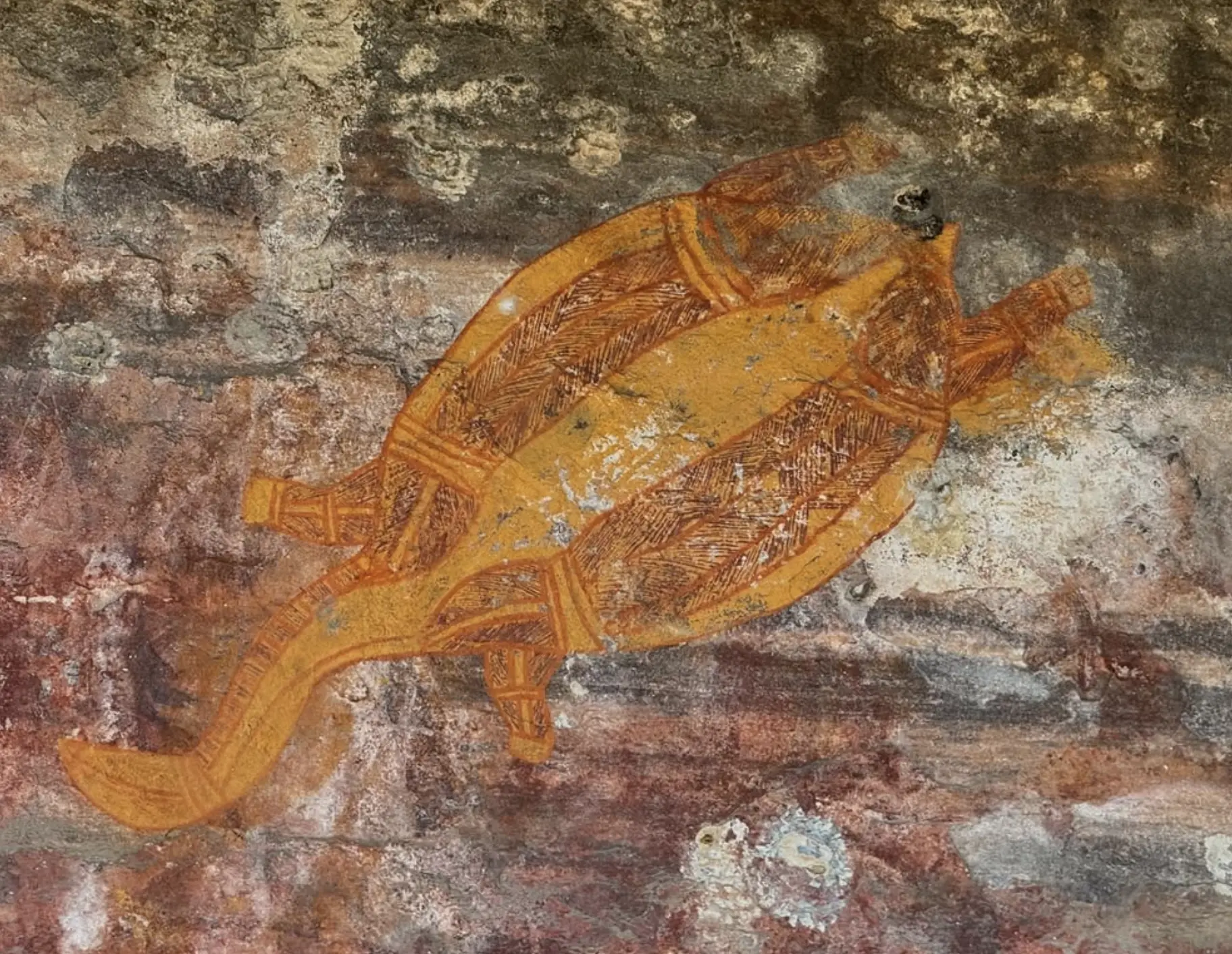
Kakadu is one of the oldest living cultural landscapes on Earth. Over 65,000 years the land has been shaped by the Bininj/Mungguy people, whose connection to the Country can be seen in sacred rock shelters, ceremonial rock art and traditional land practices. You can see this at sites like Nourlangie Rock, Anbangbang Billabong and Ubirr where rock overhangs protect amazing art thousands of years old.
These stories depict successful hunts, wet season hunting and spiritual beings. Kakadu became a national park to protect these archaeological sites, art sites and traditions from damage, theft and development.
On a Kakadu tour, you can hear these stories from Aboriginal guides who will tell you how Aboriginal hunters used spike rush, banyan fig and paper bark trees to track animals, build shelters and prepare food.
Protecting Diverse Ecosystems and Rare Wildlife
Kakadu covers nearly 20,000 square kilometres, and six different landforms: lowland forests, moist gorges, wetlands, isolated waterholes and freshwater mangroves. It’s home to:
- Over 280 bird species
- 117 reptile species
- 25 frog species including marbled frog and northern bullfrog
- 75 mammal species
- 53 fish species
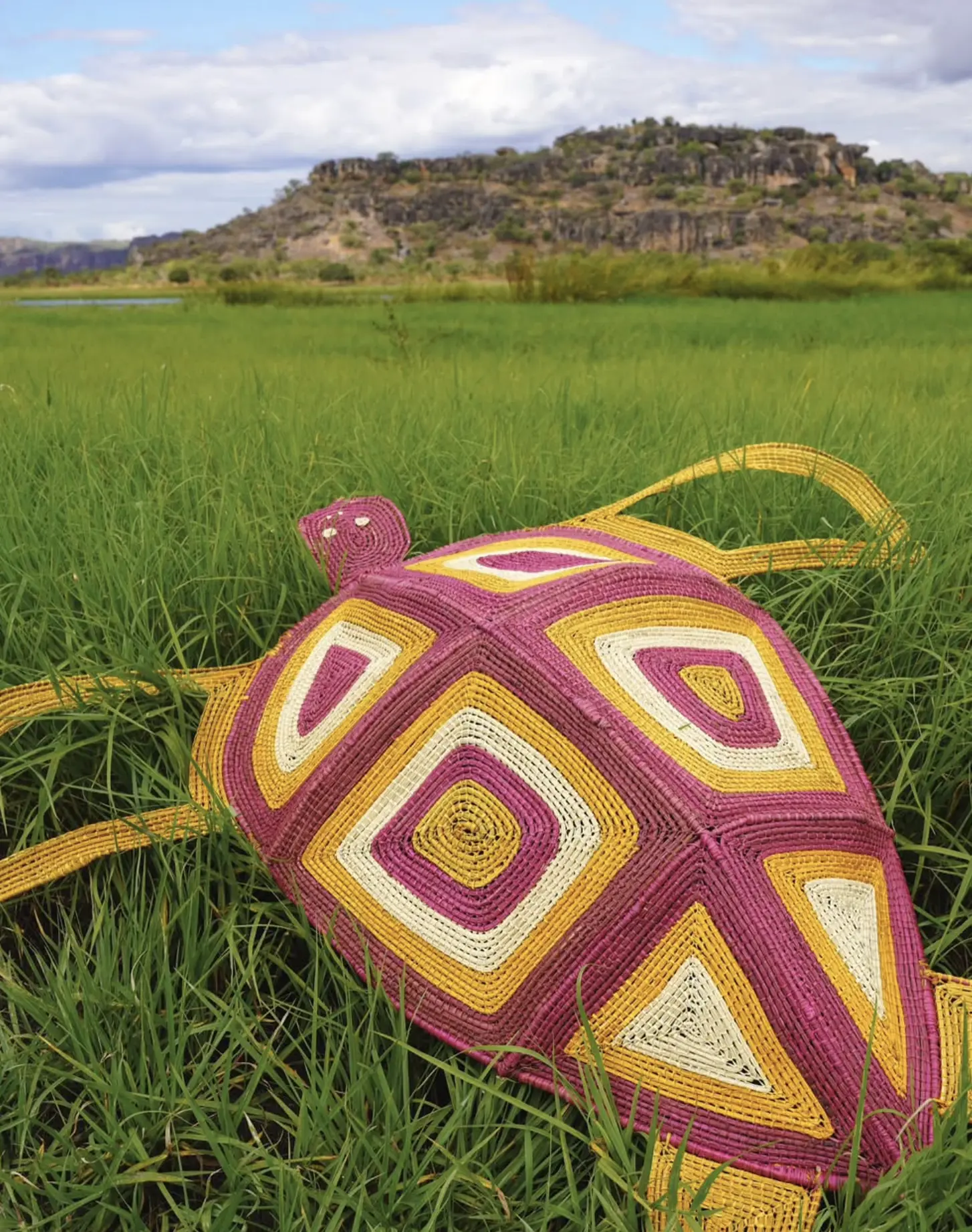
Rare creatures like pig-nosed turtles, snake-necked turtles and northern quolls
The climatic extremes – from extreme heat in the Dry Season to monsoonal troughs and tropical cyclones in the Wet Season – create a complex web of habitats. The Annual rainfall feeds the nutrient-rich soils that support productive plant life, hardy succulents and aquatic vegetation like white snowflakes and water lilies. See Kakadu’s wildlife on a Kakadu day tour and cruise along Yellow Water Billabong and spot Estuarine Crocodiles, Freshwater Crocodiles, egrets, jabirus and even spike rush in the reeds.
Managing Mining and Development Threats
By the 1970s, the Kakadu region was facing threats from small-scale gold mining and uranium mining. Large-scale operations were proposed near culturally sensitive sites like Coronation Hil,l and many Aboriginal communities were worried about the destruction of their sacred land and hunting grounds.
The pushback from Traditional Owners, environmentalists and researchers like J. Allen and Jennifer Bartlett led to Kakadu being declared a national park. It allowed the government to regulate development and prevent activities like crocodile hunting, crocodile shooting and mining in the most sensitive areas.
Some uranium mining did occur under tight regulation, but key areas were protected through Indigenous land claim victories and strong opinions about mining from local communities.
Today, visitors on a Darwin tour or extended tours Darwin to Kakadu will hear about these contentious chapters as part of their journey.
World Heritage Recognition and Tourism Growth
In 1981, Kakadu was listed as a World Heritage site by UNESCO for its cultural values and natural significance. This brought global awareness and investment in sustainable tourism.
Since then tourism infrastructure has grown with safari camps, service towns, ranger stations and more Darwin tour operators to access the park. Today, visitors can choose from a range of experiences—from Kakadu day tours to 3 day Kakadu tours that include Muirella Park, Cahills Crossing and the lush wetlands of Yellow Water.

Who Manages Kakadu National Park Today?
Kakadu is managed through a joint management agreement between Parks Australia and the Traditional Owners. This means decisions are made with respect for Aboriginal law, tradition and connection to the Country, and balancing conservation, science and tourism.
Traditional Owners are leading cultural burning, wildlife monitoring and tourism experiences. This ensures that people in touch with the land for thousands of years are at the heart of its future.
Why Visit?
Kakadu is like no where else. With its warm weather, grasses, insects and ancient stories in the rocks, it has something for every kind of traveller. You can:
- Take a wildlife cruise on Yellow Water Billabong
- Hike to lookouts with views of rock formations and Arnhem Land
- Learn the true meaning behind the ancient art at Nourlangie Rock
- Swim in tropical gorges like Maguk and Gunlom Falls
- Spot crocodile bumps along the riverbanks on a scenic flight
The dry season’s lack of water makes it perfect for croc spotting and the wet season brings vibrant renewal, wildlife and excellent shelter for breeding species.
Popular Attractions
- Ubirr – Ancient art and views of Arnhem Land
- Nourlangie Rock – Home to big paintings and Mimi spirits
- Yellow Water Billabong – A highlight of every Kakadu tour, great for wildlife spotting
- Cahills Crossing – See estuarine crocodiles in their natural habitat
- Gunlom & Maguk Falls – Natural swimming holes with stunning views
- Anbangbang Billabong – Quiet and surrounded by feature sedges and birds
Many of these sites are included in our 3 day Kakadu tours or full-day tours departing from Darwin.
Plan Your Trip
Planning a trip to Kakadu? Here’s what you need to know:
- Season matters: Dry season (May–October) for accessibility and clear skies. Wet season (Nov–April) for powerful waterfalls, lush wetlands and freshwater mangroves but road closures.
- Get your pass: A park use fee applies and can be purchased online.
- Stay smart: From bush camping to safari glamping or staying in a service station town like Pine Creek.
- Pick the right tour: A day tour is a taster, a 3 day tour includes cultural sites, scenic spots and wildlife cruises
- Begin in Darwin: Many travellers start with a Darwin tour and then connect to Kakadu via 4WD, coach or even sailing boats and two-masted sailing ships along the coast.
Conclusion
Kakadu became a national park because it had to be saved—for its people, for its wildlife, and for us all. Its natural beauty, cultural landscape and heritage have been preserved thanks to the vision of the 20th century and the voices of Aboriginal people.
Today, Kakadu is a living classroom, a wild sanctuary and a sacred home. Whether you’re on a Kakadu day tour, a 3 day Kakadu tour or joining toursin Darwin for a deeper cultural experience, Kakadu will blow your mind.
FAQ
Why was Kakadu made a national park?
To protect its unique combination of natural beauty, archaeological sites and Aboriginal culture from mining and unsustainable development.
When was Kakadu declared a national park?
The first section was declared in 1979, and further additions were made in the 1980s and 1990s.
What are the best Kakadu tours?
A Kakadu day tour is perfect for the time-poor. A 3 day Kakadu tour allows for more waterfalls, wildlife and cultural sites. Many start with Darwin tours.
Can I visit Kakadu during the Wet Season?
Yes! Access is limited but the Wet Season means lush greenery, full waterfalls and active wildlife. Great for birdwatching and seeing extremes of climate in action.
Is Kakadu good for wildlife?
Absolutely. You’ll see saltwater crocodiles, bird species, frog species, endemic plants and more on a wildlife cruise or guided walk.