
Beyond the Blue Mountains: 5 Hidden Stops on the Great Divide You Haven’t Heard Of
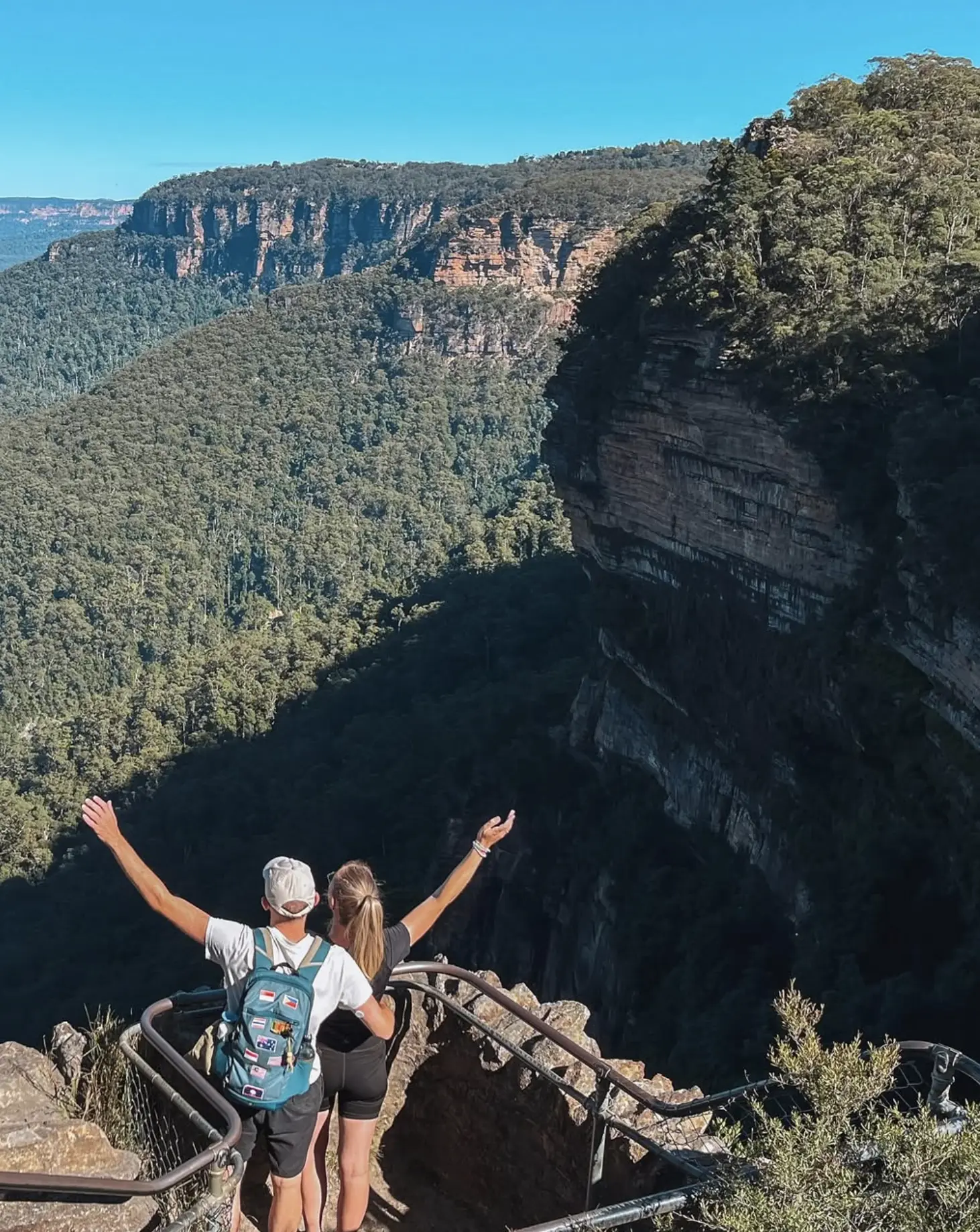
Beyond the Blue Mountains: 5 off-the-beaten-track stops on the Great Divide that fly under the radar. It’s a simple fact – most people only manage to scratch the surface of the Great Dividing Range. They roll into Katoomba, make their way to a lookout, snap a quick photo and then head back home thinking they’ve seen it all. The truth is, they’ve barely got a nod hello from one of the longest, most complex mountain systems on earth.
I’m Paul Beames, and after years of leading groups, scouting out new routes and working with tour operators like Wildlife Tours, I’ve come to learn that the great dividing range is really all about curiosity – not convenience. This article isn’t about pooh-poohing the classics – it’s about knowing when to keep going & when to take the road less travelled, and when the real adventure really starts to kick in.
Contents
- 1 Where Most Trips Start – And Why They Don’t Cut It
- 2 The Scenic Circuit – Useful, But Not The Whole Story
- 3 Waterfalls As A Taster, Not The Main Event
- 4 Why Pushing On Changes How You Feel About The Land
- 5 How These Places Actually Compare
- 6 What I Wish I’d Known – After Years On The Road
- 7 The Real Draw
- 8 FAQ
Where Most Trips Start – And Why They Don’t Cut It
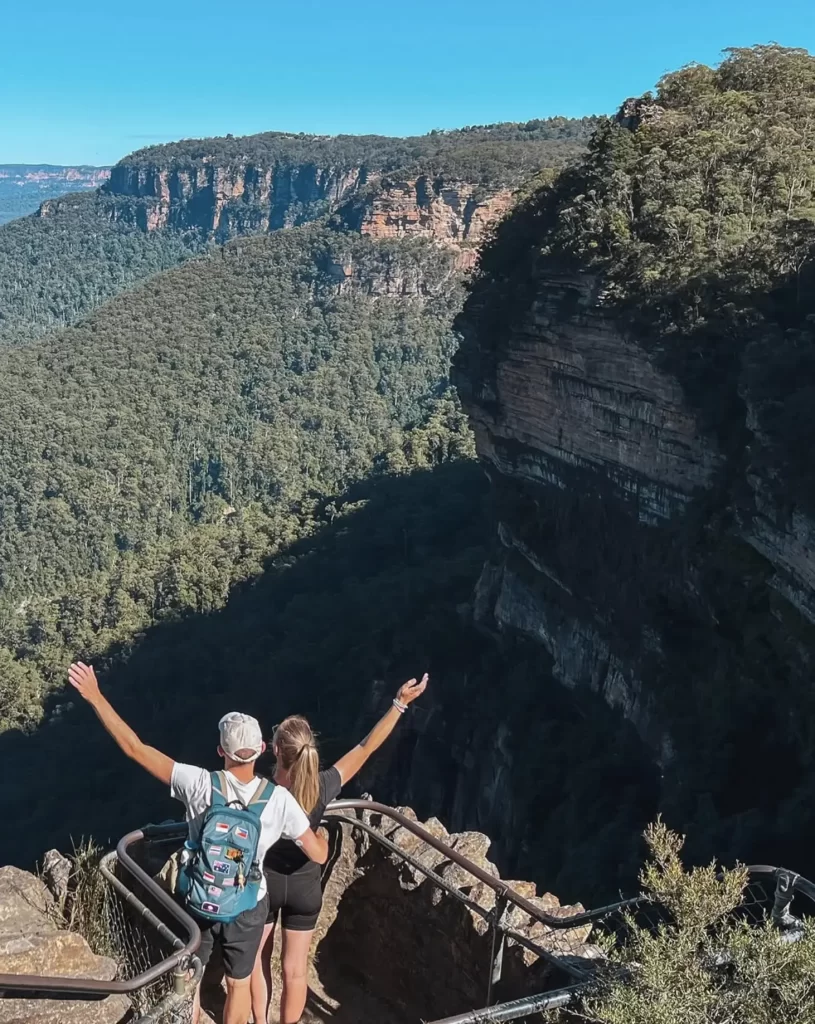
The Blue Mountains – well, they’ve earned their rep for a reason. The landscape is massive, the roads are easy to get to, and on a clear blue day, the valleys just open right out. Places like Jamison Valley and Grose Valley show exactly how the Great Dividing Range breaks up into towering sandstone cliffs and deep chasms.
But then you go to Echo Point, and the views just blow you away. That’s why people rave about it – the sheer scale of the place has no need for apologies. You can see why people get so caught up in the panoramic views – but that’s the problem – it’s all a bit too easy. You arrive, take a look, and then you’re off. The landscape stays put, but the experience barely has time to sink in.
For many people, though, that’s when the trip starts to lose its edge. All of a sudden, it’s just a tick in the box – not a journey.
The Scenic Circuit – Useful, But Not The Whole Story
There’s no shame in doing the obvious loop – Scenic World still lowers visitors down into the valley via the cable car, and Govetts Leap is still one of the most straightforward ways to get a handle on the sheer scale of the Great Dividing Range.
These places deliver the goods – they give you what you expect: natural beauty that’s right there in your face. But the thing is, they’re not exactly hidden gems, and they don’t pretend to be either. They’re more like gateways – not destinations in themselves. People make the mistake of thinking that the gateway is the whole journey – not the other way around.
If you only ever get to see the Great Dividing Range from a fenced-in viewing platform, you’re going to miss out on what it’s like when the guardrails disappear.
Waterfalls As A Taster, Not The Main Event
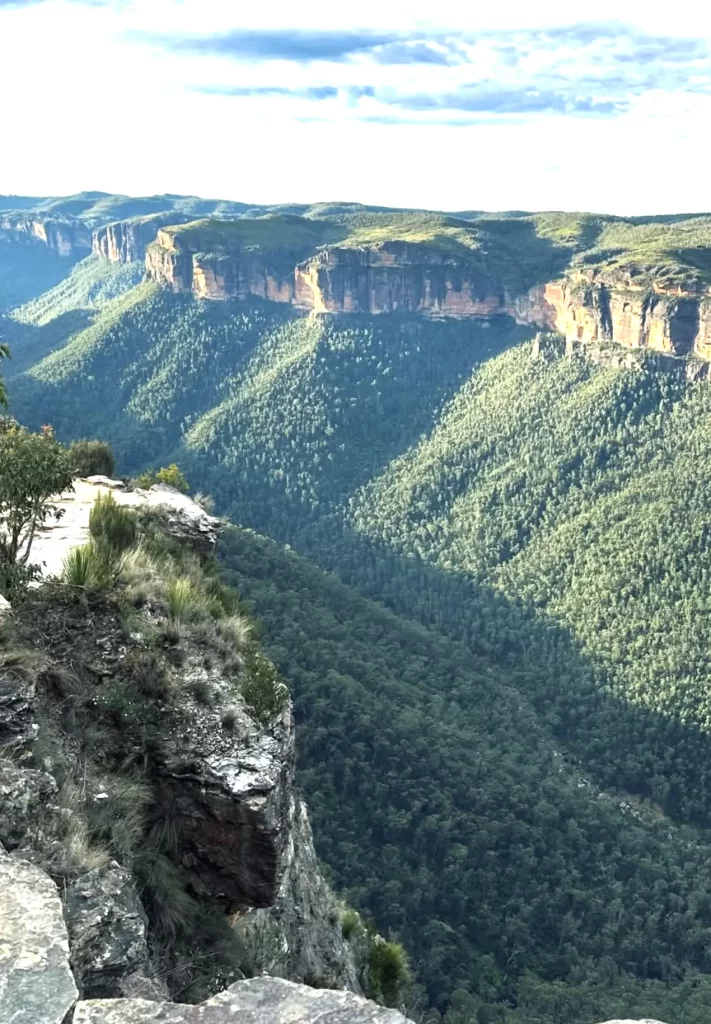
Before you head off north or south, let’s get real about why the Blue Mountains got people so hooked in the first place. Water‘s a big part of it, and the Leura Cascades, Bridal Veil Falls, and Minnehaha Falls are a great way to get introduced. They show you how escarpment country handles water – and how it can shed it in style.
But the thing is – timing’s everything. After a bit of rain, these waterfalls really come to life. But during the dry months, they can disappear fast. And if the waterfall’s just a trickle, well, that’s all it is. Getting real about that stuff is important, especially once you start heading deeper into the great dividing range – where the weather can be the determining factor in every single thing you do.
Why Pushing On Changes How You Feel About The Land
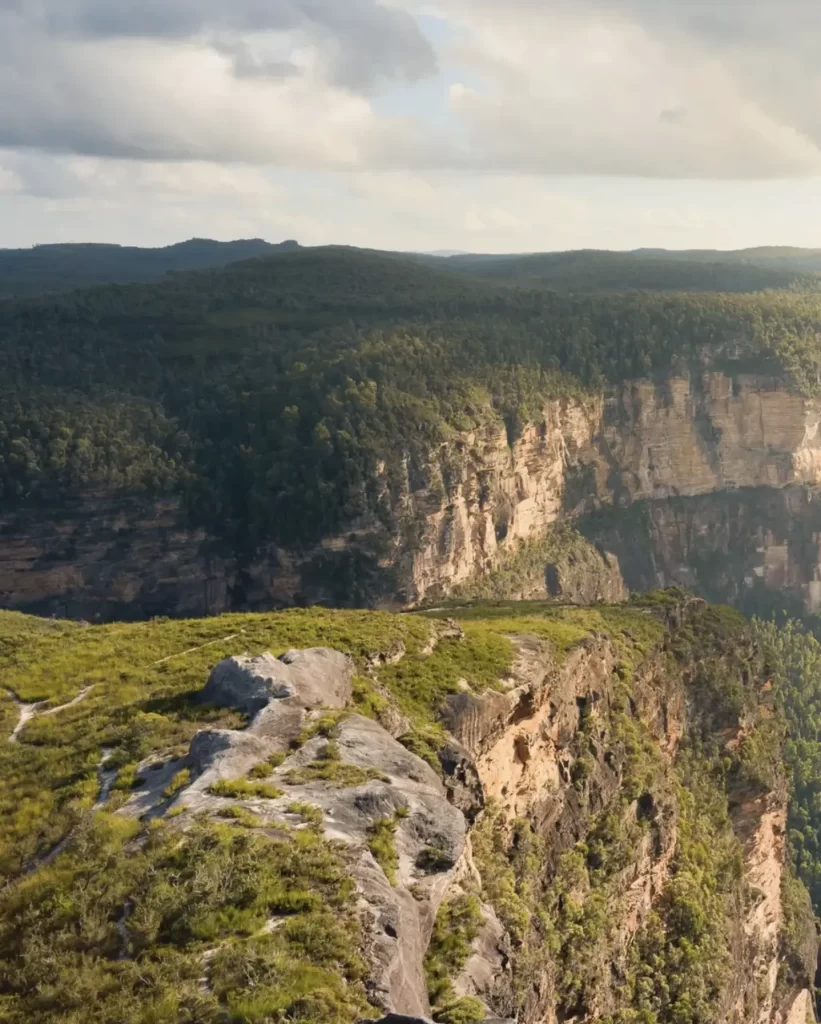
Once you leave the Blue Mountains behind, the range continues and changes shape. Geoscience Australia reckon the Great Divide stretches for more than 3,500 kilometres, covering about 40% of the continent, for a bit of rain. That scale helps explain why the experience varies widely from one place to the next.
This is where you’ll find me much of the time — scouting routes for small-group trips, usually working with operators like Wildlife Tours, who understand that wildlife, weather, and logistics are far more important than glossy brochures.
What follows are five stops where the Great Divide feels less like a tourist playground and more like a working landscape.
Barrington Tops High Country
North of Newcastle, the Barrington Tops National Park pokes its head above the trees and takes you by surprise with its cold open country. Frosty morns, snow gums and cattle grids – all stuff you’d expect from the mountains, not coastal NSW.
But then you remember how high up you are. At 1,500 metres or so, it’s the Great Divide that’s in charge of the weather, not some forecast on your phone. I recall one winter visit where the billy froze solid overnight – that’s the Great Divide just reminding you who’s boss.
The important bits here are
- Access tracks get shut off after a decent rain – keep an ear out for alerts
- No mobile reception to be found on the plateau
- Nights can still be pretty chilly even in summer
It’s not about chasing after views. It’s about space and silence.
Oxley Wild Rivers — When Distance Knocks You For A Loop
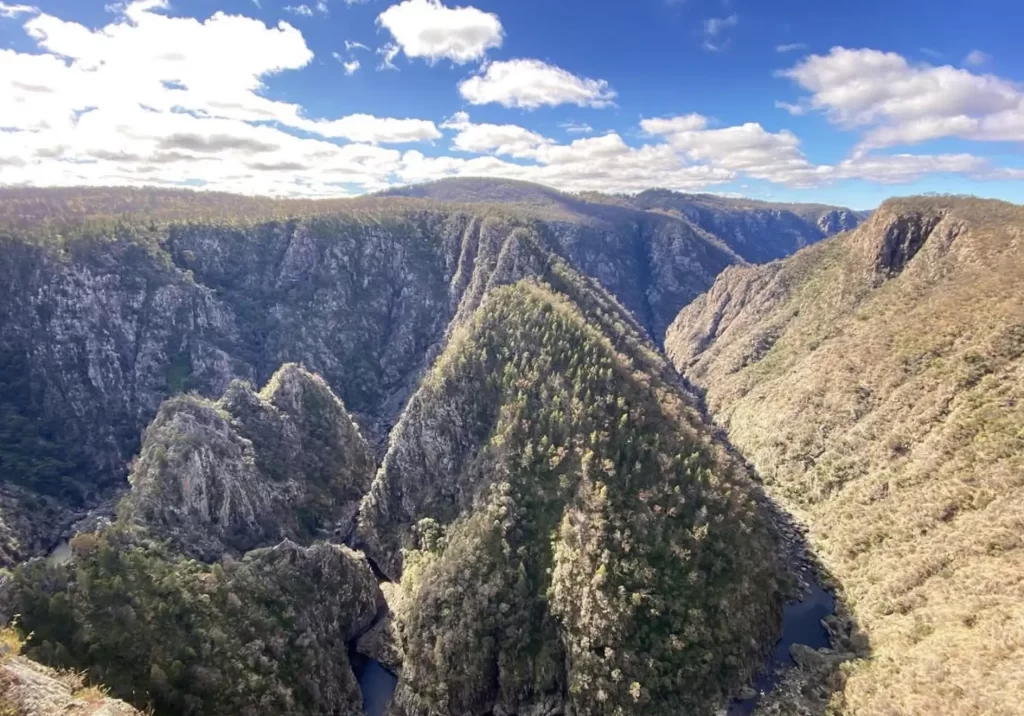
Further north again, you’ll find the Oxley Wild Rivers National Park, which slices deep into the range. The Apsley and Macleay Rivers have carved out some serious gorges – so wide and steep that sound disappears.
Standing at a lookout, you get a real feeling of distance. The land doesn’t hold back politely. In the heat of the day, heat shimmer rolls across the gorge, and shade is a rare treat. That’s the Great Divide at its most unforgiving.
Why people aren’t queuing up to come here:
- The heat limits how long you can walk
- The tracks are exposed and rough
- Access is never quick or easy
World Heritage status isn’t just about how pretty it looks. It’s about how rare the ecology is and how massive the geology is.
Gibraltar Range — Where Solitude Is Still The Norm
Between Glen Innes and Grafton lies the Gibraltar Range National Park – it’s a bit of a hidden gem. Autumn brings some colours you don’t often see in Aus, and in winter you’re left with crisp air and open forest.
Here, the Great Divide feels less dramatic and more consistent. You can walk for hours without seeing another person. That’s becoming a bit of a rarity these days.
Leeches appear after rain, so pack accordingly and keep moving.
McPherson Range — The Uncompromising Rainforest
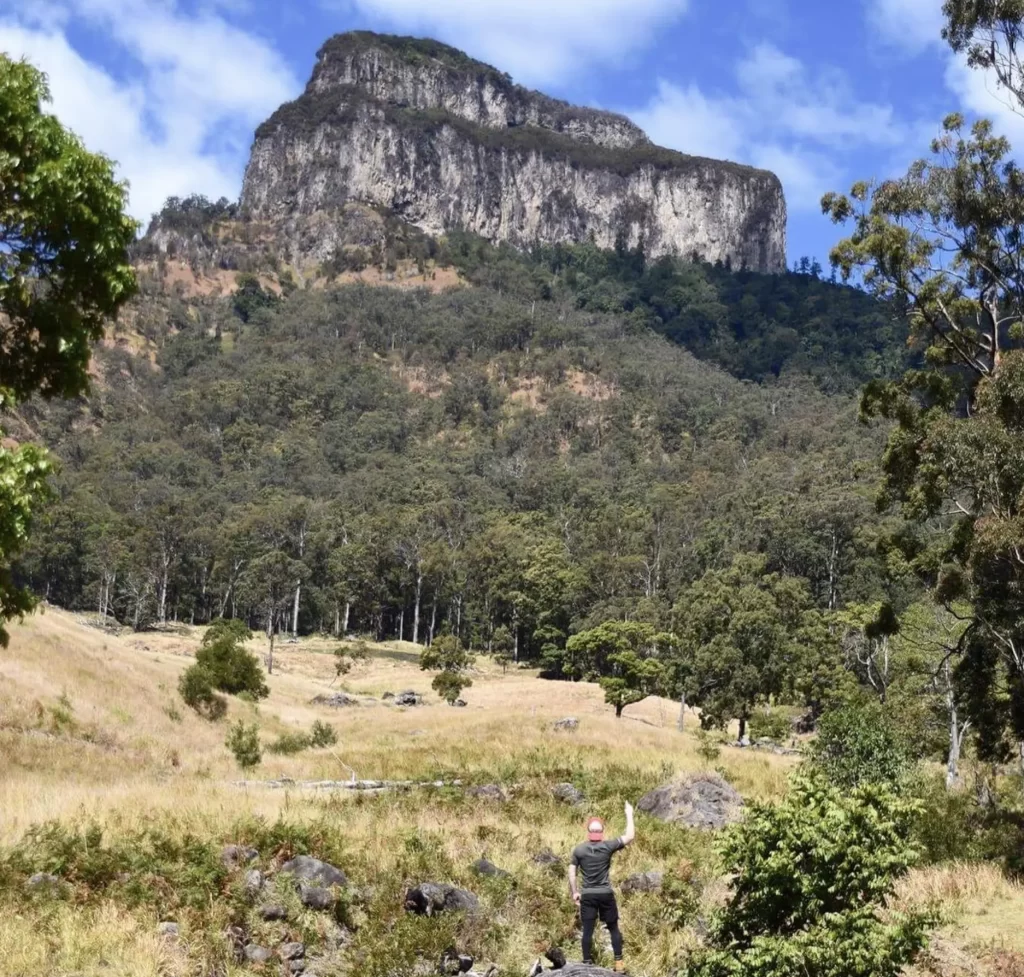
Right on the NSW-Queensland border, the McPherson Range just sits there, looking tough – and to be honest, it’s pretty unforgiving. We’re talking Gondwana rainforest country here, with an astonishing 1,500 plant species across the connected parks in the area.
When storms come barreling through, the tracks get closed down fast – and it’s not because some people are trying to cause trouble, either. It’s just that the rain does some serious damage & they’re stopping people from making it worse. To be a decent visitor here, you do need to respect those closures.
If you want to explore the Great Dividing Range safely, guided tours like those run by Wildlife Tours can be a real lifesaver. Trust us, in this place, knowledge is power.
Errinundra Plateau — Don’t Even Think About Wimping Out
In East Gippsland, the Errinundra Plateau is a bit of a secret. And quite frankly, it prefers it that way. The entire area is dominated by stands of old-growth mountain ash forest, with some trees dating back to before European settlers arrived.
The roads to get there are gravel, and it rains there year-round, so planning your fuel needs is essential. It’s not somewhere you can just rock up and go wandering around for the day.
But for those willing to take the time to do it right, the Errinundra Plateau is a prime example of the Great Dividing Range doing things on its own terms: quiet, wet, and utterly unapologetic.
How These Places Actually Compare
| Area | Best Time | Access Reality | Crowd Levels | Main Challenge |
|---|---|---|---|---|
| Barrington Tops | Spring–Autumn | 2WD/4WD mix | Low | Sudden weather |
| Oxley Wild Rivers | Autumn | 2WD + walking | Very low | Heat & exposure |
| Gibraltar Range | Autumn | Easy sealed | Low | Leeches |
| McPherson Range | Winter | Walking tracks | Moderate | Rain closures |
| Errinundra Plateau | Summer | Gravel only | Very low | Isolation |
What I Wish I’d Known – After Years On The Road
A few things that have stuck with me, no matter where I was on the Great Dividing Range:
- Don’t trust your GPS to be working when you most need it – stick with a paper map
- You can’t plan the weather – just roll with it when it changes your plans
- Showing respect to the land and its people is vital – make sure you know what to do when visiting the country
These aren’t just ideas I read about in a book – they’re lessons I’ve learned the hard way after days of driving and even longer recoveries when things went wrong
The Real Draw
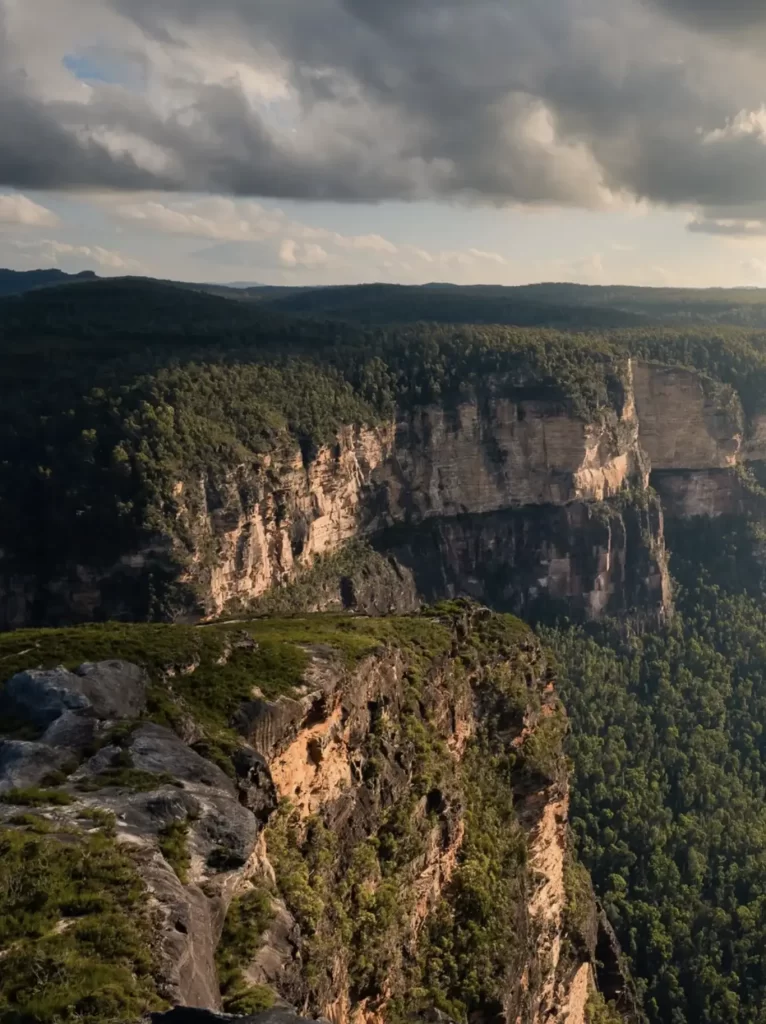
The Blue Mountains are a great introduction to the range, but they’re just the beginning. The rest of the range will keep you coming back for more – it’s all about having the time and patience to see it all and a willingness to get a little out of your comfort zone.
Do the lookouts, walk the waterfalls, then keep on driving – that’s when things start to get really interesting
If you’re planning a longer trip or want some advice on where to go to suit your experience level, reach out – I’ve spent years exploring the range and know its secrets
FAQ
Is the Blue Mountains section the best bit of the range?
It’s the most accessible part, but not necessarily the most representative – things get a lot more interesting once you move past it.
Do I really need a guided tour for these areas?
Not always, but for some of the more remote sections, a good operator can add a safety net and help you get the most out of your trip.
Can I visit these places at any time of the year?
Good luck with that – heat, rain and closures will still get in the way.
How long do I need to actually see the range properly?
Rushing is a recipe for disaster – even the shorter bits deserve at least a couple of days to do them justice.
What makes the Great Dividing Range so important ecologically?
It has a significant impact on rainfall, waterways, and habitats, and it’s one of the most biodiverse places in Australia.