Can a tattoo be removed completely?
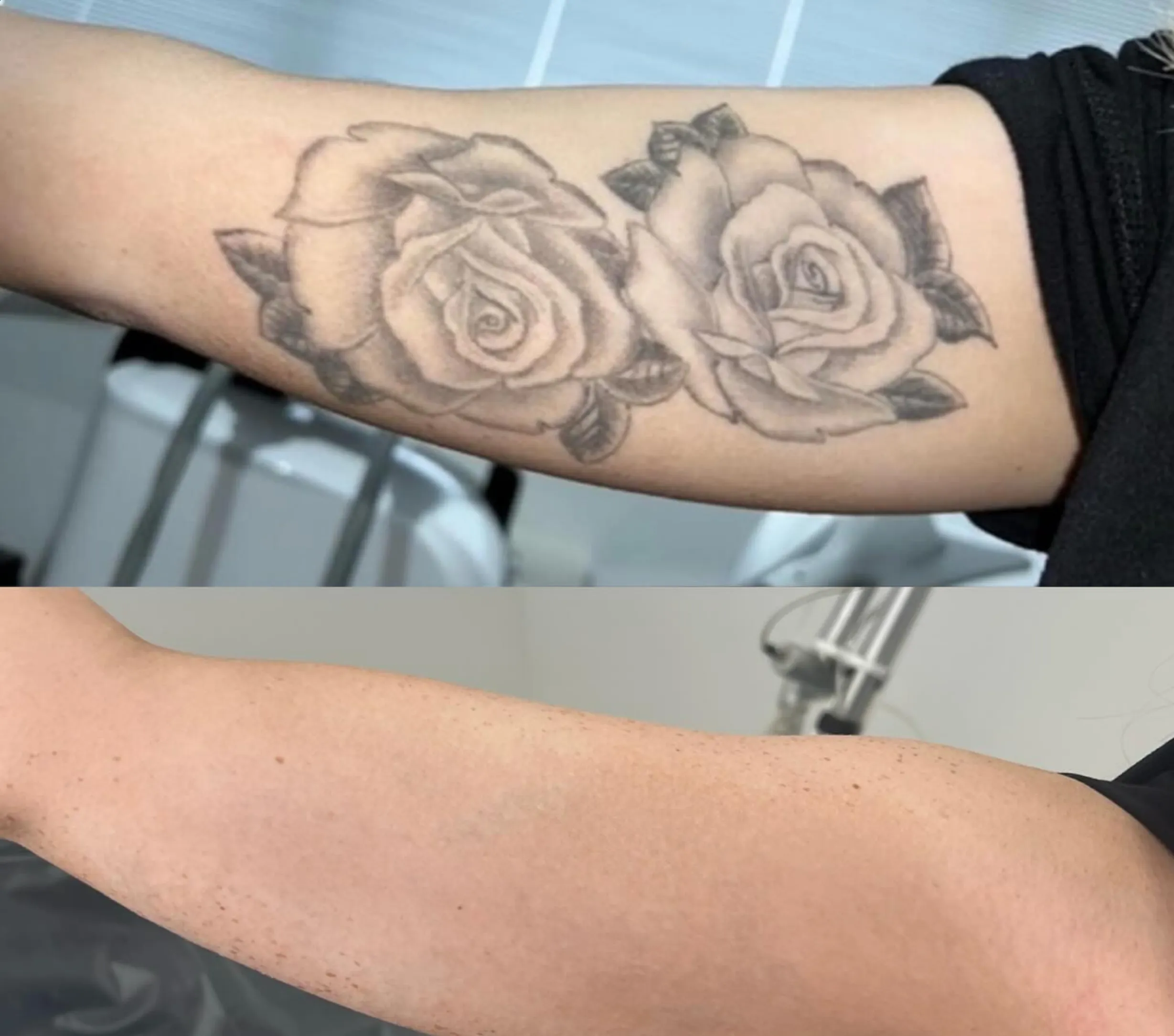
Can a tattoo be removed completely? It’s one of the most common questions we get asked in our Brisbane studio—and if you’ve ever regretted an old ink job or want to make space for something new, you’ve probably wondered the same. The short answer? Yes, it can be removed completely—but there’s a whole lot of nuance under that umbrella.
Tattoo Removal has come a long way since the days of abrasive creams and lemon juice myths. But just like tattooing, the tattoo removal process is a professional cosmetic procedure that depends on skin type, ink depth, tattoo pigments and the method used. Whether you’re dealing with permanent ink from a tattoo artist at a tattoo parlor or fading out layered ink from a previous cover-up tattoo, the method matters. So let’s break it down properly—no fluff, just facts.
Contents
- 1 Why some tattoos come off faster
- 2 Methods
- 3 2025 Trends
- 4 Tattoo Removal Product Red Flags
- 5 Conclusion
- 6 FAQ
- 6.1 Can tattoo creams fade my ink a little even if they don’t remove it?
- 6.2 Will removal creams work better on cosmetic tattoos like lip blush or brows?
- 6.3 Are natural tattoo removal creams safer?
- 6.4 Can I use cream before laser to speed up results?
- 6.5 What if I’ve already used a removal cream and had a bad reaction?
Why some tattoos come off faster
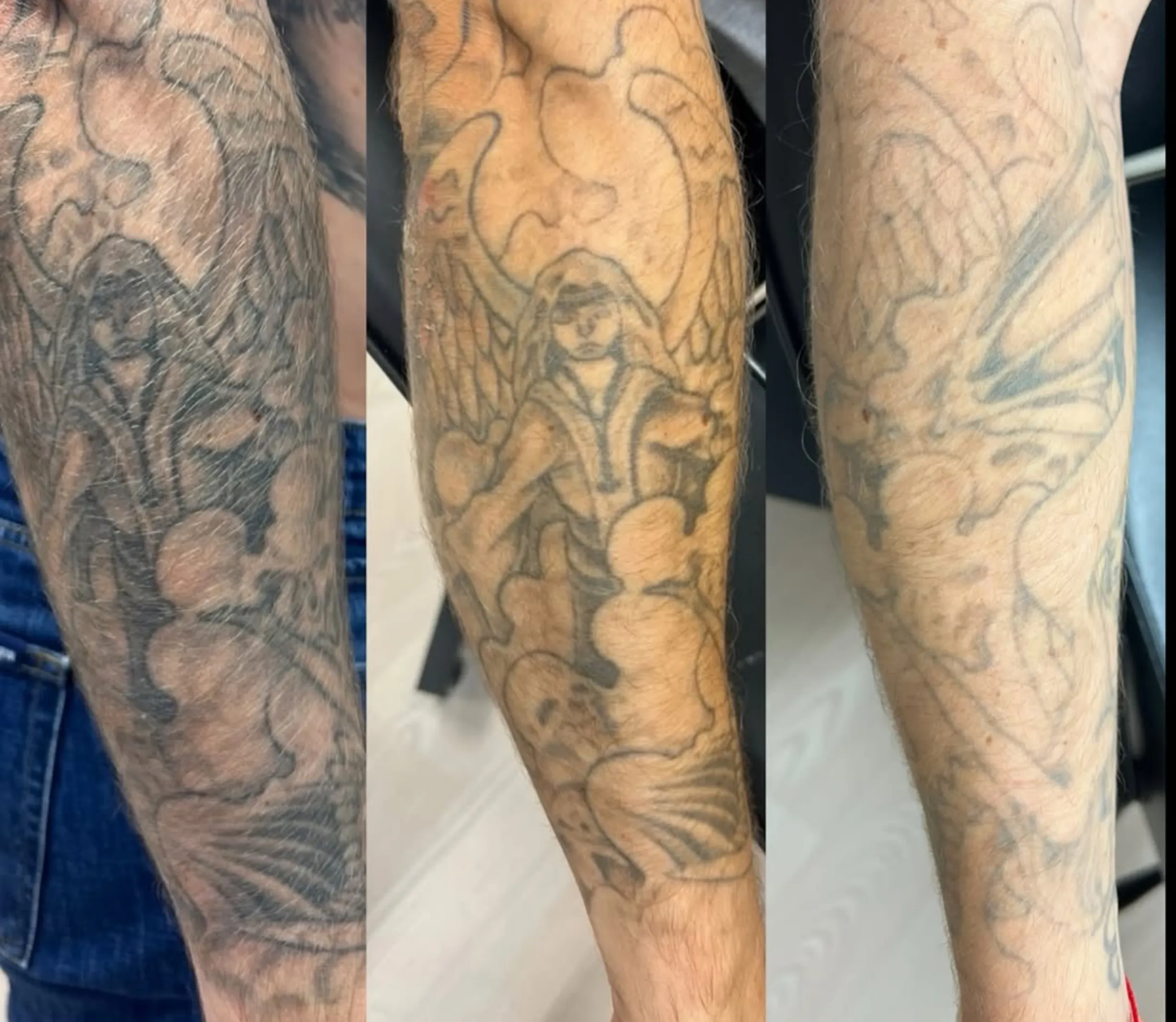
Not all tattoos are created equal—and not all of them fade the same way, either. Here’s what affects how well (and how fast) a tattoo fades with removal:
- Ink colours: Black and dark blue inks break down the easiest with laser light. Lighter colours like yellow, white and pastel tones? They can be stubborn.
- Skin tone: Laser filters and Laser Technology settings need adjusting for different Fitzpatrick skin type scale ranges. Darker skin types require a cautious approach to avoid hypo- or hyperpigmentation.
- Ink depth: Amateur tattoos tend to sit more superficially in the skin, while professional work usually penetrates deeper—which can affect removal success.
- Tattoo ink quality: Cheap or unknown tattoo pigments (especially overseas jobs) can behave unpredictably under laser removal.
- Tattoo age: Older tattoos usually fade faster since the immune system has already broken down some ink particles over time.
- Skin condition and lifestyle influences: Your blood circulation, general health and even stress levels can affect how your lymphatic system clears ink fragments.
In our Face Figurati Cosmetic Tattoo Studio in Brisbane, we’ve seen older faded lip blush lift in just 2–3 treatment sessions, while saturated eyebrow tattoos with titanium white take 8+ sessions and still leave behind ghosting. For clients looking at eyebrow tattoo removal, we often combine laser with saline methods depending on pigment type.
Methods
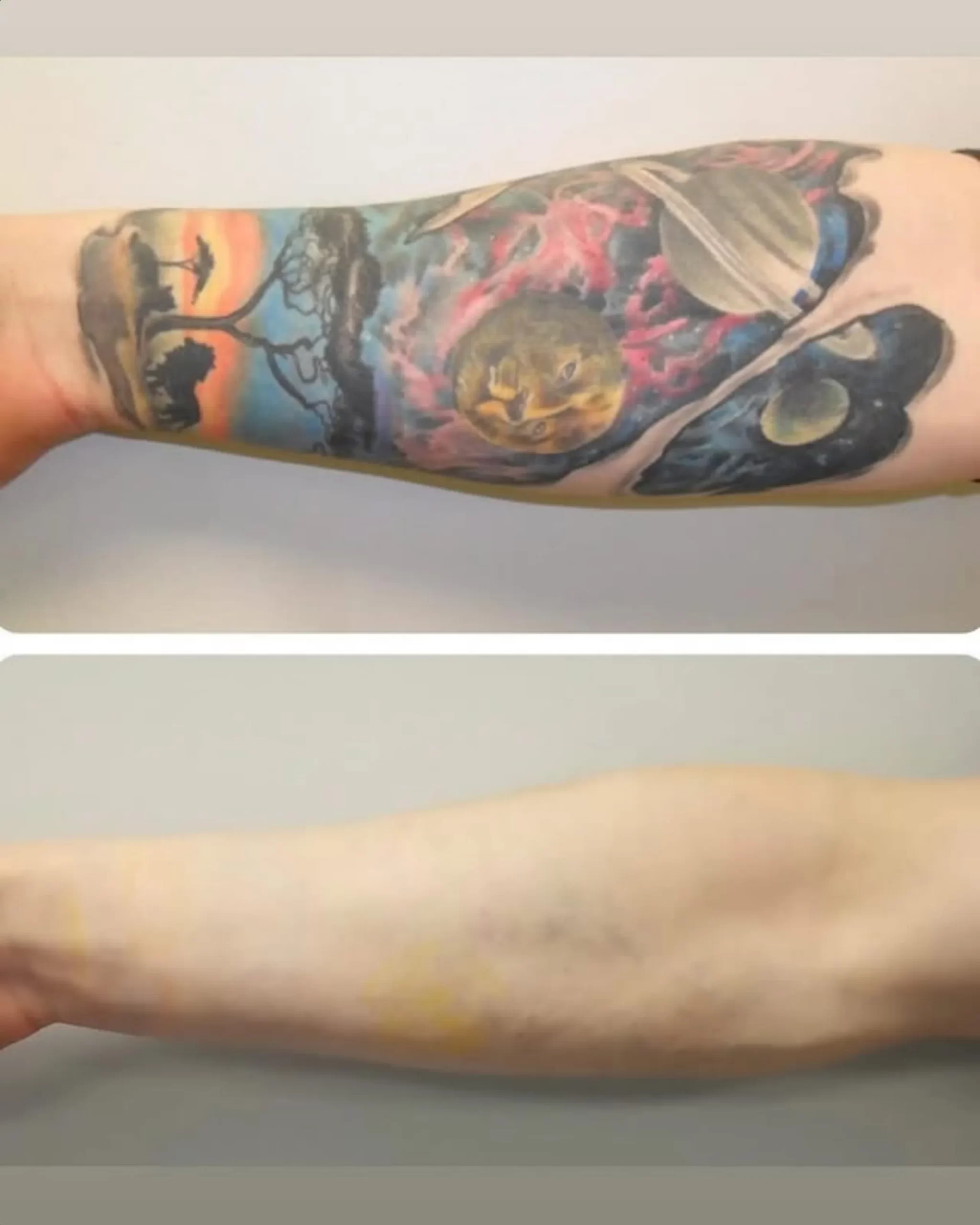
When people ask if a tattoo can be removed completely, they usually mean “Can I make it disappear without wrecking my skin?” So let’s go through your options—from most to least effective.
- Laser Tattoo Removal (Q-switched and Picosecond)
- This is the gold standard in 2025, and for good reason. Laser tattoo removal treatments work by breaking tattoo ink particles into tiny fragments that your lymphatic system clears out over time. The most advanced laser system options use Picosecond lasers like the Cynosure PicoSure or Quanta Discovery Pico Plus, which deliver ultra-short pulses via 1064nm filter and 532nm filter wavelengths.
- Pros:
- Most effective for complete fading of tattoo pigments
- Minimal skin irritation or skin discoloration when done by trained medical professionals
- Customisable for skin colour, ink colours, and laser filters depending on your device
- Cons:
- Multiple treatment sessions (5–12+ depending on the ink depth)
- Cost per session ranges from $100–$500 in Brisbane. If you’re budgeting, it’s worth discussing laser tattoo removal price during your consultation.
- Some discomfort—like a hot rubber band snap
- We use Q-switched laser systems like the Quanta Q-Plus C and Fractional Laser techniques where needed. Your skin type, pain threshold, and whether you have auto immune diseases or cold sores will also guide treatment planning.
- Saline Tattoo Removal
- Often used for small cosmetic tattoos like brows and lips, saline removal uses an osmosis process to lift pigment out through the skin surface. It’s gentler on sensitive facial areas and avoids some laser surgery risks.
- Saline tattoo removal is especially handy for cosmetic areas where pigment depth varies and titanium-based inks are present.
- Pros:
- Effective for pigment that doesn’t respond well to laser, such as titanium dioxide or white ink
- Can target small areas with precision
- Better for certain Fitzpatrick skin type categories prone to pigmentation shifts
- Cons:
- Slower results than laser tattoo removal
- More surface trauma, so downtime is longer
- Not ideal for large body tattoos
- We recommend saline tattoo removal for clients with sensitive skin or those who need a partial fade before a cover-up.
- Surgical Excision
- This involves cutting out the tattooed skin and stitching the area closed. It’s rare, but sometimes used for small tattoos or when all else fails.
- Pros:
- Immediate removal
- Useful for small tattoos in flat areas
- Cons:
- Scarring is guaranteed
- Requires local anesthesia
- Not suitable for large designs
- Injectable Tattoo Removal
- Still under clinical studies and not widely used in Brisbane
- Requires local anaesthetic and professional guidance
If you’re unsure what’s best for you, speak to a certified technician who can assess your tattoo parlour history, skin wellness, and aesthetic treatments already undertaken.
2025 Trends
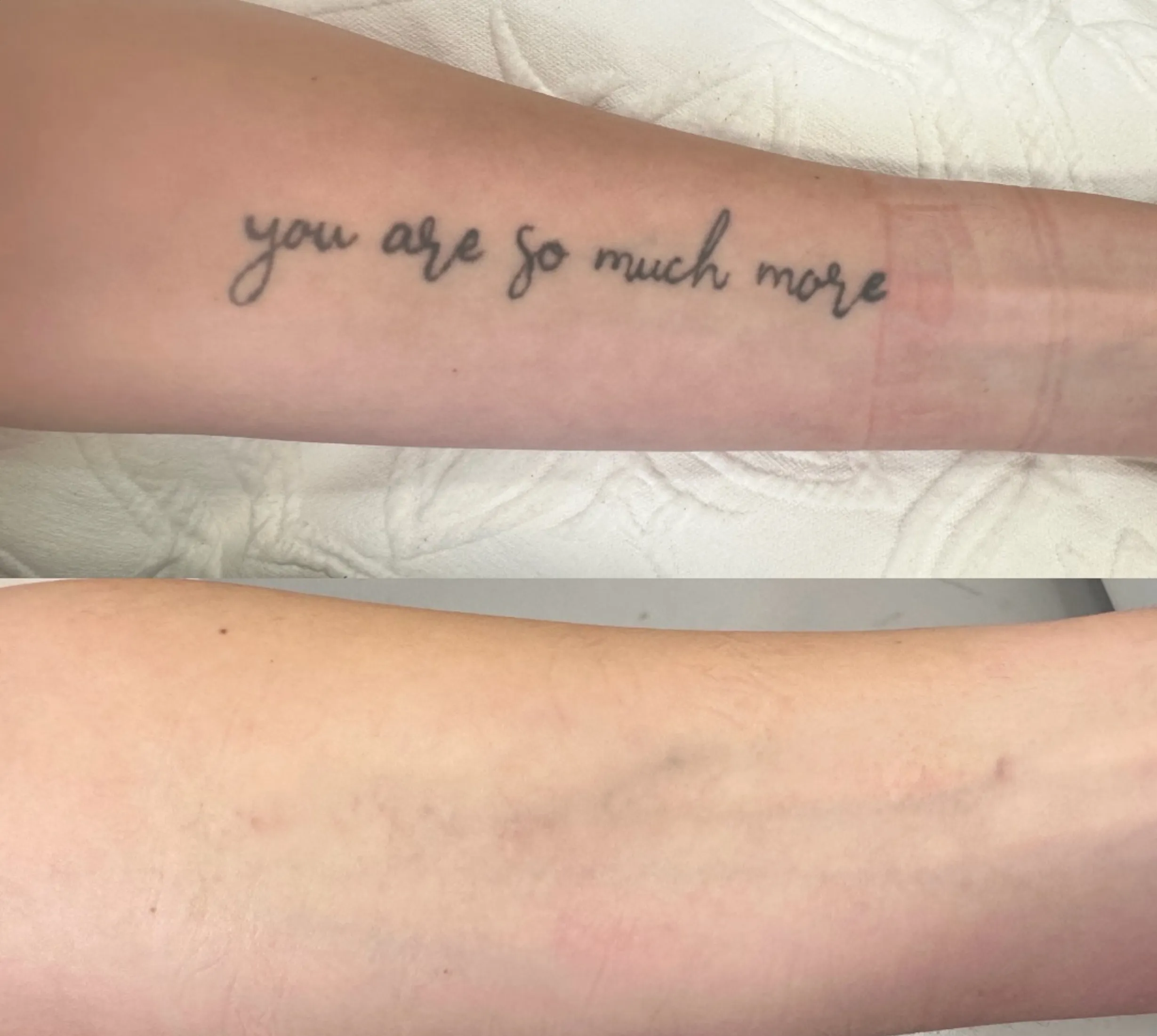
Tattoo regret isn’t new, but in 2025 we’re seeing a cultural shift around second chances. More Aussies are investing in removal to:
- Make room for updated ink
- Fade old cosmetic tattoos for reshaping
- Remove matching tattoos with ex-partners
- Adjust to changing careers or lifestyles
We’ve noticed an increase in consultations for eyebrow tattoo removal and partial fade treatments before reshaping procedures.
According to recent data, demand for laser treatment and saline removal services has jumped 32% in the past 12 months across major cities, including Brisbane and even smaller areas like Salem.
Tattoo Removal Product Red Flags
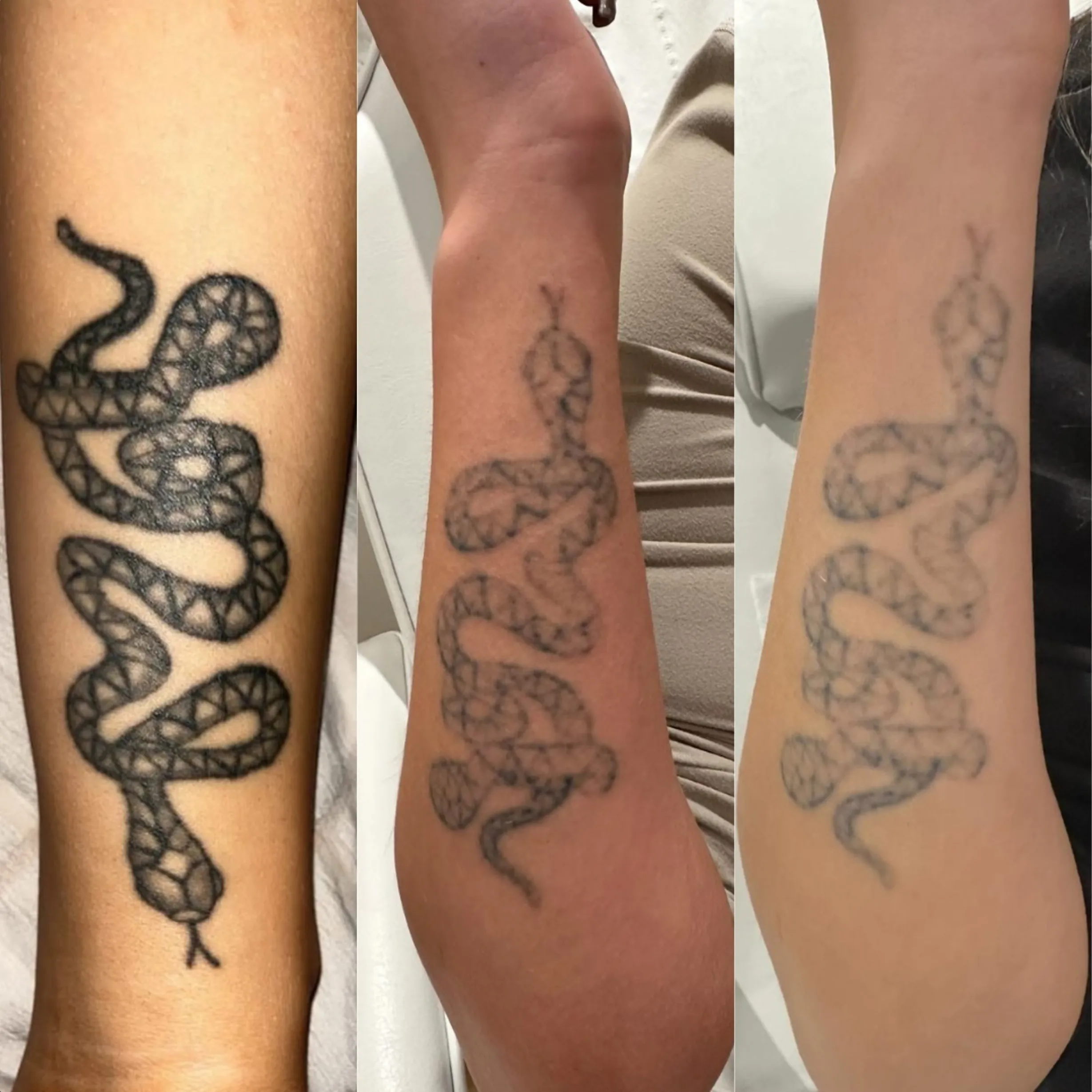
Not all creams are created equal, but some are downright dangerous. Watch out for:
- No ingredient list or vague labelling (especially if it mentions skin lightening agents without specifics)
- “Miracle results” in under two weeks
- Photoshopped before-and-after images
- No mention of side effects or post-application recovery tips
- Lack of local certifications or safety regulation
- No input from medical professionals or laser science data
If the product doesn’t clearly state what’s inside, where it’s made and how it’s meant to work — skip it.
Conclusion
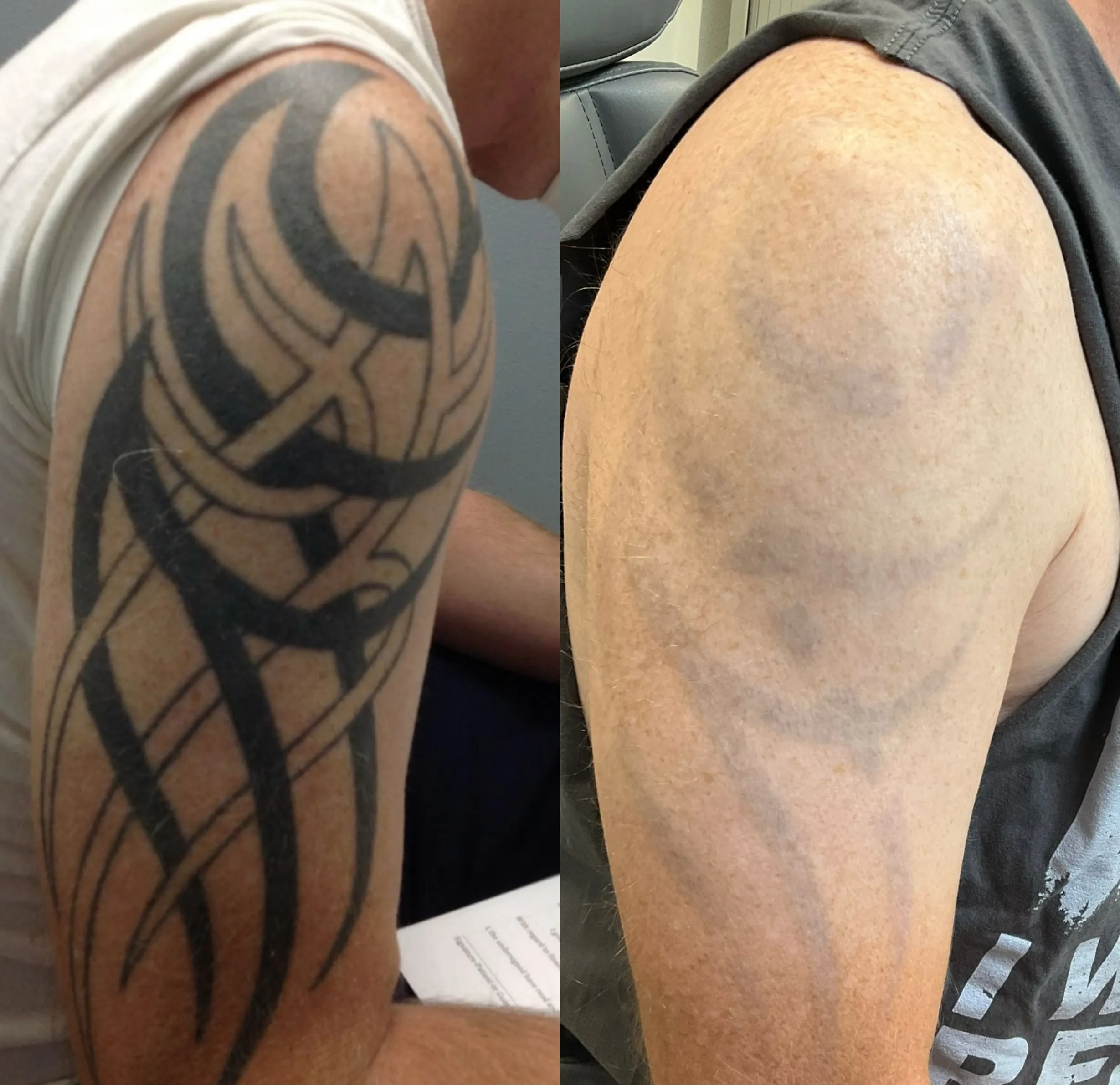
At Face Figurati Cosmetic Tattoo Studio in Brisbane, we’ve helped many clients safely fade or remove unwanted ink with customised treatments to suit their skin and goals.
We get it. The idea of a quick, cream-based fix is tempting. But the truth behind “do tattoo removal creams work?” is clear: they don’t deliver on their big promises and often leave your skin worse off.
Tattoo removal is a serious decision that requires professional guidance. Whether you’re looking at saline tattoo removal, laser tattoo removal or even surgical excision — do your research, consult with experts and prioritise your skin’s long-term health.
FAQ
Can tattoo creams fade my ink a little even if they don’t remove it?
Maybe — some may exfoliate or temporarily lighten the surface using chemical peels or skin bleaching lotion. But they won’t reach deep pigment in the dermis.
Will removal creams work better on cosmetic tattoos like lip blush or brows?
Still unlikely. Even though cosmetic tattoos use softer pigment, it’s still in the dermis layer.
Are natural tattoo removal creams safer?
“Natural” doesn’t mean effective. Products with neem oil or apple cider vinegar can still cause skin irritation. Always patch-test and research the ingredients.
Can I use cream before laser to speed up results?
We don’t recommend it. Harsh ingredients can make your skin more reactive to laser pulses or delay healing between sessions.
What if I’ve already used a removal cream and had a bad reaction?
Stop immediately. Keep the area clean, avoid sun exposure, and book in with a professional for post-application recovery support.